 Brentwood Electrical Services
Guide
How Often Does a Landlord Need an EICR?
Landlords generally need an EICR at least every five years, sometimes sooner. Here is how the timing works and what to do next.
- Send a short enquiry
- Covering Essex
- EICR and related services
For a rented home in England, landlords must generally have the electrical installation inspected and tested at least every five years, and an Electrical Installation Condition Report (EICR) is the document that records the result. The report can set a shorter gap if the inspector has concerns, so the date on your last report is the one to follow. Rules can change, so check GOV.UK for the current position.
The five year rule and what it really means
Five years is the longest gap allowed between inspections, not a target to aim for. Think of it as a ceiling. The qualified electrician who carries out the inspection records a recommended date for the next one on the report, and that date can be sooner than five years.
The clock starts from the date of the inspection, not from when you receive the paperwork or when a tenant moves in. Put the next due date in your diary as soon as the report arrives, and allow time to book, because remedial work found during an inspection can add delays.
When you may need one sooner
A shorter interval is common where the wiring is older, has been altered by different people over the years, or shows signs of wear. If the previous report noted an unsatisfactory result or recommended a re-test after repairs, follow that advice rather than waiting for the full five years.
Many landlords also choose to arrange an inspection between tenancies, particularly if the last report is getting old. It gives you a clear picture of the installation before a new tenant moves in. It is also sensible to book one after major work, such as a rewire, a new consumer unit or an extension, and to ask the electrician what paperwork they will issue for that work.
What the inspection covers and what happens afterwards
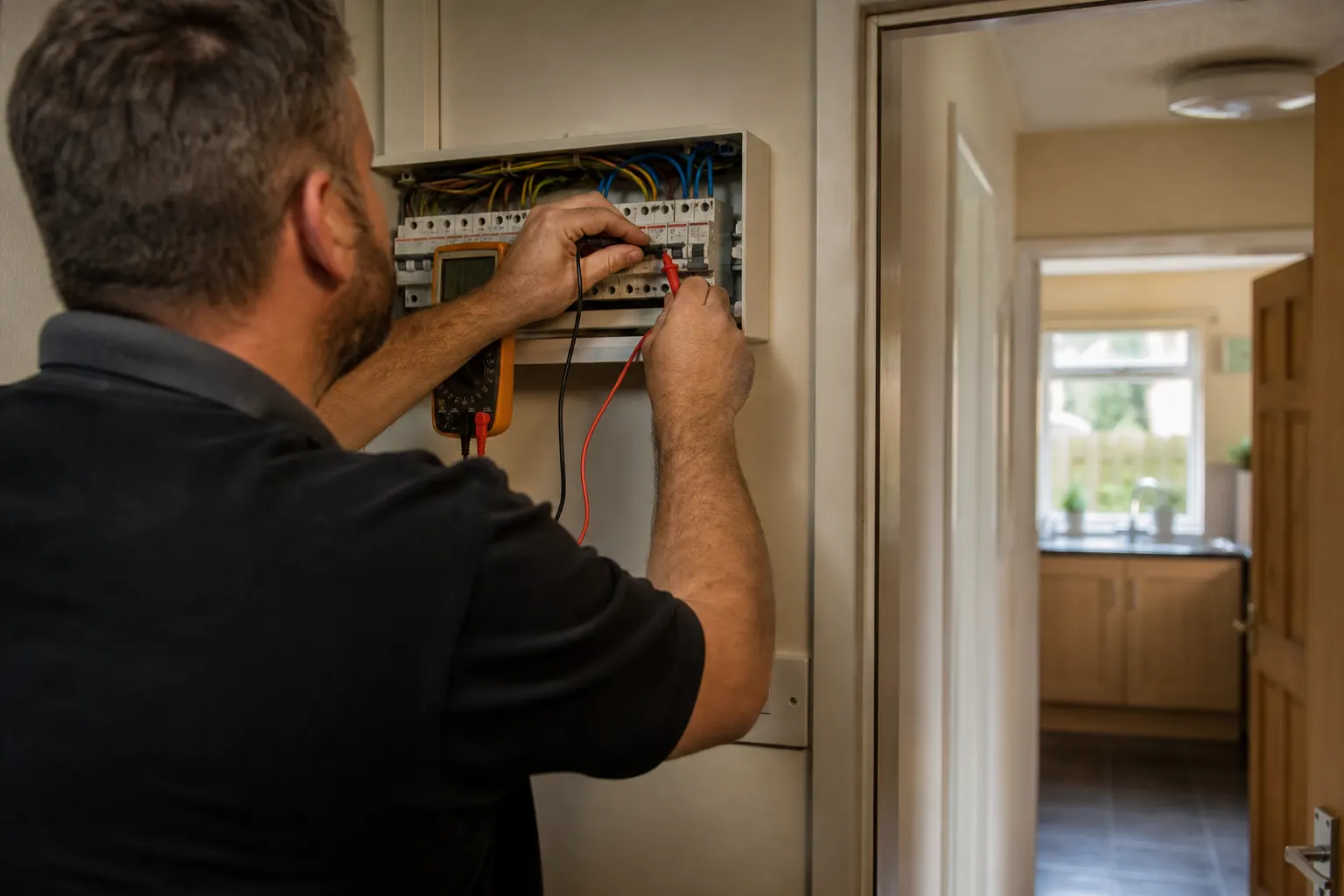
An EICR is a check of the fixed electrical installation: the consumer unit, circuits, wiring, sockets, switches, light fittings and earthing and bonding. It is not a check of every appliance your tenants own. The electrician tests and visually inspects what they can safely access, then records any faults against the electrical safety standards used in the UK.
Observations on the report are given codes showing how serious they are. The result is either satisfactory or unsatisfactory. If it is unsatisfactory, the landlord must arrange the necessary remedial work within the timescale set out in the rules and on the report, then obtain written confirmation that the work is complete. Keep that confirmation with the original report.
Who needs a copy of the report
Landlords must give tenants a copy of the report, and new tenants should receive it before they move in. If your local council asks to see it, you will need to supply a copy within the time they specify. Keep every report for the life of the installation, or at least until the next one is done, because the inspector will want to compare the two.
If you are selling or refinancing, a buyer or lender may ask for a recent report, so a clear record helps.
Commercial property and older questions about dates
People often ask whether the rule differs by year, such as what applied in 2021 or 2022. The safest approach is to rely on the current guidance on GOV.UK and on the recommended date shown on your latest report, rather than on what you remember from an earlier year.
For commercial premises, the picture is different. Employers and building owners have general duties to keep electrical systems safe, and the right interval depends on the type of premises, how it is used and the condition of the wiring. The inspector will recommend a date on the report. Shops, offices, workshops and rented units can all differ, so ask your electrician to explain the interval they have chosen and why.
Planning your EICR in Brentwood and across Essex
Brentwood Electrical Services covers Brentwood and the surrounding parts of Essex. Whoever you choose, ask for an inspection by a qualified electrician, ask what the report will include, and check how they handle any urgent faults found on the day.
If you have several properties, list the date of each last report and the next due date in one place. Booking a few weeks early leaves room for remedial work and a re-check, so a tenancy is never left with an overdue report.
Common questions
Is an EICR needed every five years for every rental property?
For private rented homes in England the general rule is at least every five years, or sooner if the report recommends it. Rules can change, so check GOV.UK for the current position and any exceptions.
Do I need a new EICR for each new tenant?
Not necessarily, as a valid report can cover several tenancies within its period. New tenants should be given a copy before they move in, and many landlords choose a fresh inspection if the existing report is close to its due date.
What if my EICR result is unsatisfactory?
You must arrange the remedial work needed within the timescale in the rules and on the report, then get written confirmation that it is done. Keep it with the original report and give tenants a copy as required.
Does a commercial property follow the same interval?
Not always. The interval depends on the premises, how they are used and the condition of the installation. The inspector will state a recommended date for the next inspection on the report.
Useful sources
- NICEIC: The electrical contracting body, with a register to check an electrician.
- GOV.UK: electrical safety standards in the private rented sector: The official guidance for landlords, tenants and councils on electrical safety checks.