 Brentwood Electrical Services
Guide
What is an EICR?
An EICR is an Electrical Installation Condition Report: a formal check of your fixed wiring and whether it is safe to keep using.
- Send a short enquiry
- Covering Essex
- EICR and related services
An EICR is an Electrical Installation Condition Report. It is the written result of an inspection and test of the fixed electrical installation in a property, carried out by a qualified electrician to see whether it is safe to keep using and meets current standards. Brentwood Electrical Services provides EICRs for homes and rental properties in Brentwood and across Essex.
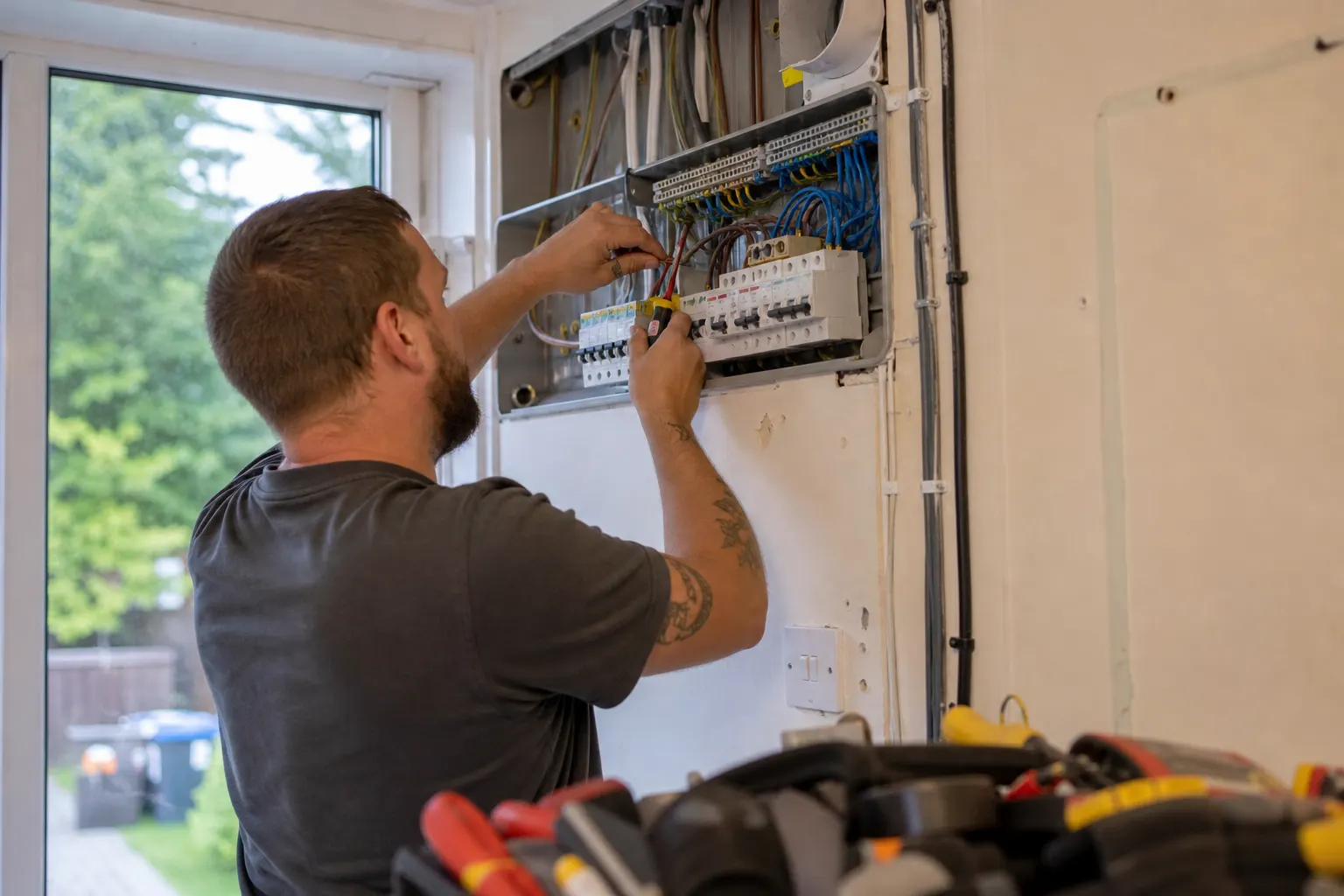
What an EICR check actually involves
An EICR covers the fixed parts of your electrical installation: the consumer unit (fuse box), the wiring behind walls and ceilings, sockets, light fittings, switches and the earthing and bonding. It does not cover your portable appliances, such as a kettle or a lamp.
The electrician does two things. First comes a visual inspection, looking for damage, wear, overheating, poor repairs and signs that something no longer meets current standards. Then comes testing, using instruments to measure things like circuit continuity, insulation resistance and how quickly the protective devices would react to a fault. Some of this needs the power switched off for short periods, so expect to lose electricity to parts of the property while the work is done.
What the report tells you
The report lists every observation and gives each one a code. C1 means danger is present and immediate action is needed. C2 means potentially dangerous and urgent remedial work is needed. C3 means improvement is recommended but it is not a safety failure. FI means further investigation is required because the inspector could not tell the full picture from the checks made.
The overall result is either satisfactory or unsatisfactory. Any C1, C2 or FI observation normally means an unsatisfactory result. A C3 on its own does not. If you get an unsatisfactory report, the electrician can explain what needs fixing and quote for the remedial work. Once that is done, the report should be updated or confirmed in writing.
Who needs an EICR
Landlords are the group most often asked for one. Privately rented homes in England generally need the electrical installation inspected and tested at regular intervals by a qualified person, with a copy of the report supplied to tenants. The rules can change, so check GOV.UK for the current position, especially if you let property in another part of the UK.
Homeowners are not usually legally required to have one, but it is a sensible check if you have just bought an older property, have not seen any electrical paperwork, or notice warning signs: flickering lights, warm sockets, a burning smell, tripping circuits or old rewireable fuses. If you are selling, there is generally no legal requirement for a homeowner to supply an EICR, but a buyer or their solicitor may ask for one. Your solicitor can advise on your situation.
How long an EICR takes
The time depends on the size of the property and the number of circuits. A small flat can take a few hours. A larger house, or one with several consumer units, outbuildings or a lot of circuits, can take longer, sometimes most of a day. Poor access slows things down, for example furniture blocking sockets, a locked loft, or a consumer unit hidden behind stored items.
The report is normally written up after the on-site work. Ask the electrician when you can expect it, particularly if a tenancy start or a sale is waiting on it.
What affects the cost
There is no single standard price, so be wary of anyone quoting one without knowing the property. Pricing usually depends on the number of circuits and consumer units, the size and age of the property, how easy it is to reach the wiring and the time the inspection will take. Some electricians charge a fixed price for the inspection, others work from an hourly rate or add a callout fee, and the quote should make clear which applies.
The inspection price does not normally include repairs. If the report finds faults, parts and extra labour are separate. Ask for a written quote that states what is included, what is not, and how any remedial work would be priced. Evening or weekend visits may be priced differently from weekday daytime ones.
Getting ready and choosing an electrician
Clear access to the consumer unit and to sockets, tell everyone in the property that the power will be off for short spells, and gather any previous electrical certificates or reports. Landlords should arrange access with tenants in good time.
Choose an electrician who is qualified to carry out inspection and testing, and ask what scheme they are registered with and how to verify it. A good electrician will explain the codes in plain language and answer questions about the findings.
Common questions
What is an EICR certificate?
People often say certificate, but the document is a report. It records the condition of the fixed wiring, lists any observations with codes, and gives an overall satisfactory or unsatisfactory result.
How often is an EICR needed?
The report states a recommended date for the next inspection, based on the condition of the installation and how the property is used. Rented homes are commonly inspected at intervals of up to five years, but check GOV.UK for the current rules.
How much does an EICR cost?
It depends on the size of the property, the number of circuits, access and the time needed, and some electricians charge a fixed price while others use an hourly rate. Ask for a written quote that shows what is included.
Can I sell my house without an EICR?
Generally there is no legal requirement for a homeowner to provide one when selling, though a buyer may request it. Ask your solicitor what applies to your sale.
Useful sources
- NICEIC: The electrical contracting body, with a register to check an electrician.
- GOV.UK: electrical safety standards in the private rented sector: The official guidance for landlords, tenants and councils on electrical safety checks.